Understanding Your Nervous System After Trauma or Stress
Learn why your body may stay on alert after trauma or stress, plus gentle, trauma-informed ways to support regulation.
 Amy Lynch
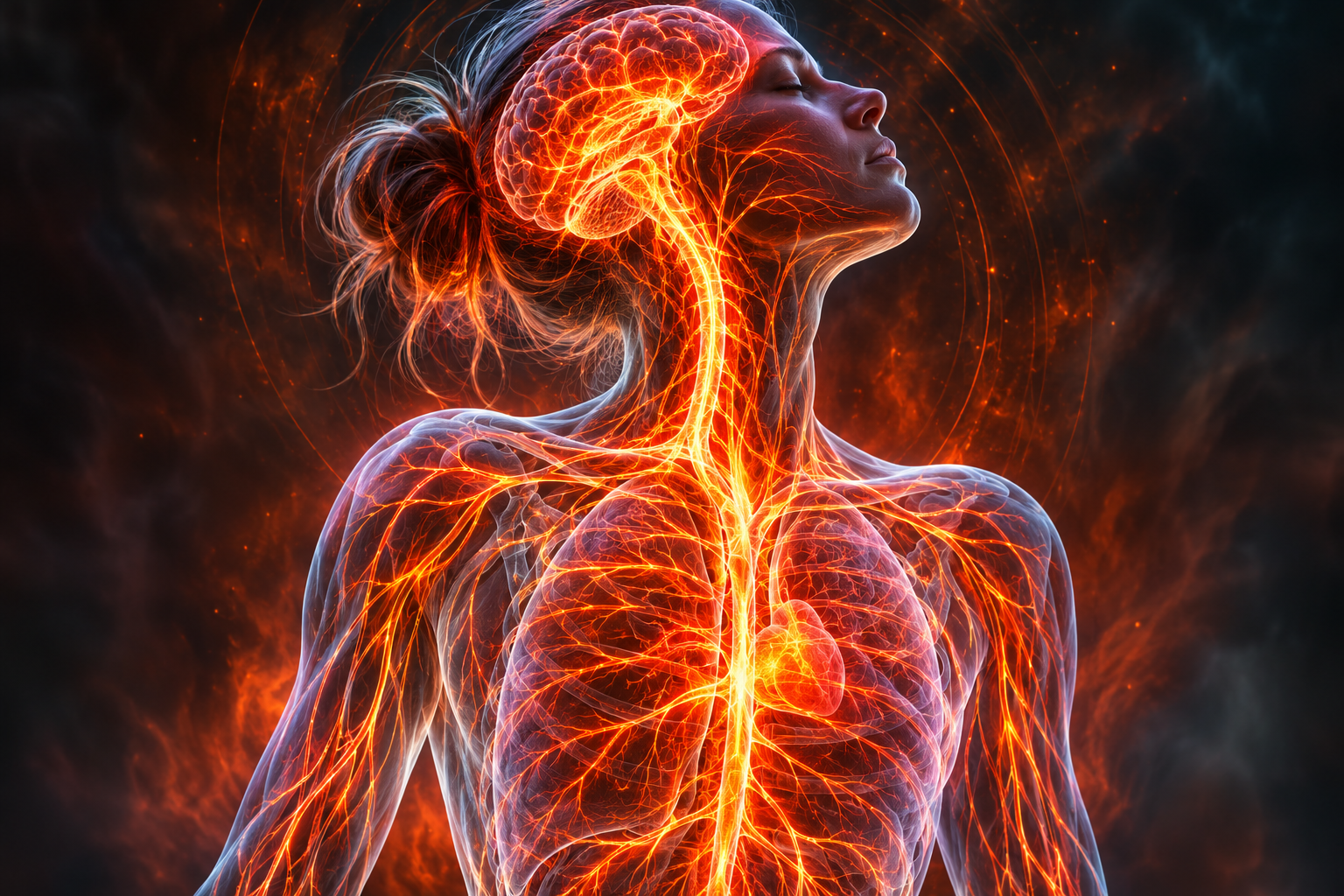
After a stressful or traumatic experience, you may notice that your reactions feel stronger than you expect. A small sound can make you jump. Rest can feel difficult. You may feel tense, numb, restless, tearful, or suddenly overwhelmed. These experiences are not signs that you are broken. They can be signs that your nervous system is working hard to protect you.
Learning a little about the nervous system can make room for more compassion. It does not explain every part of your experience, and it is not a replacement for professional care. But it can help you understand why your body may respond before your mind has had time to make sense of what is happening.
Your nervous system is built to protect you
Your nervous system constantly takes in information from inside and around you. It notices cues such as tone of voice, facial expressions, sounds, sensations, memories, and changes in your environment. Much of this happens automatically, before you consciously decide whether something feels safe, uncertain, or threatening.
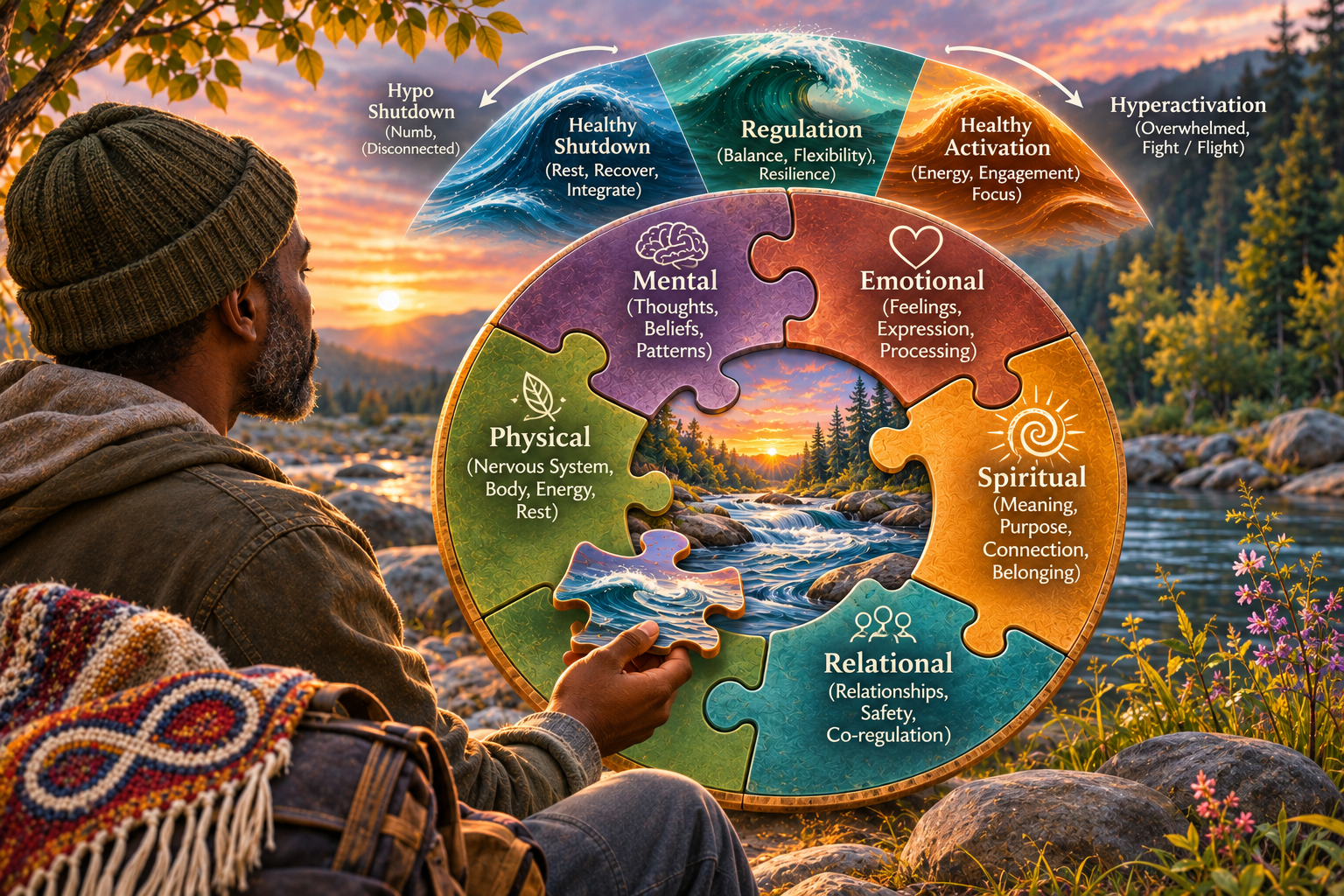
When your system senses danger, it may prepare you to fight, flee, freeze, or respond in other protective ways. Your heart rate may rise, your muscles may tighten, your thoughts may race, or you may feel disconnected from your body. These responses are meant to help you survive difficult moments.
After ongoing stress or trauma, the system can remain more alert than you want it to be. It may react to reminders of a past experience even when you know, logically, that you are safe in the present. This is not a personal failure. It is a protective pattern that can take time, support, and gentleness to understand.
Stress responses can look different for everyone
There is no single “trauma response.” Some people feel activated and anxious. Others become quiet, numb, tired, or shut down. You may move between states, sometimes within the same day.
You might recognize activation as worry, irritability, trouble sleeping, shallow breathing, being easily startled, or feeling a strong urge to act right away. A shutdown response can feel like heaviness, disconnection, low energy, difficulty finding words, or wanting to withdraw from people and tasks.
Neither response is wrong. Both can be your body’s attempt to manage more than feels possible in that moment. Naming what is happening can help you move away from self-judgment and toward curiosity: “My system is on high alert right now,” or “I may need support to come back into the room.”
Regulation is not about being calm all the time
Nervous system regulation is sometimes described as calming down. While calm may be welcome, regulation is broader than that. It is about having enough steadiness and flexibility to notice what you feel, respond to what is happening, and return to yourself after stress.
Some days, regulation might look like taking a slow breath. Other days, it might mean moving your body, reaching out to someone you trust, making a practical plan, or taking space from a conversation. The goal is not to eliminate emotion. It is to build ways of being with emotion that feel more manageable.
It is also important to avoid turning regulation into another demand. If a practice makes you feel pressured, more activated, or disconnected, you do not have to force it. Choice, pacing, and consent are part of trauma-informed care.
Try small grounding practices
Grounding can help you reconnect with the present when your system feels overwhelmed. The most useful practice is often the one that is simple enough to use in real life. You may want to experiment with one of these options:
- Look around and name five things you can see, including a few neutral or pleasant details.
- Press your feet into the floor and notice the support beneath you.
- Hold a warm drink or an object with texture and describe what you feel.
- Step outside, feel the air on your face, or notice the sounds around you.
- Lengthen your exhale slightly, without forcing a deep breath.
- Move gently: walk, stretch, shake out your hands, or change rooms.
You do not need to do these perfectly. The intention is simply to offer your body a cue that you are here, now. If closing your eyes or focusing on your breath does not feel comfortable, keep your eyes open and choose an external anchor instead.
Support can come through relationship and routine
Our nervous systems are shaped in relationship. A calm, respectful conversation with someone who listens can help the body feel less alone. So can spending time with a pet, sitting beside someone you trust, or connecting with community in a way that feels safe and meaningful.
Predictable routines may help, too. Eating regularly, resting when possible, moving your body, and creating small transitions between work and home can all offer a sense of rhythm. Connection with land, creativity, culture, spirituality, and practices that reflect your values can also be grounding sources of support.
These supports will not erase what happened. They can help create more capacity to meet the feelings and memories that arise.
When counselling may help
Counselling can provide a steady space to explore patterns of stress, trauma, and protection without needing to rush your story. A therapist can work with you to notice what helps you feel more present, identify triggers with care, and build resources at a pace that respects your needs.
You do not have to wait until you are in crisis. If you find that stress reactions are affecting sleep, relationships, work, daily tasks, or your sense of connection to yourself, reaching out can be a meaningful act of care.
For now, consider one small question: What helps me feel even one percent more settled? The answer might be a glass of water, a walk, music, a pause, or a message to someone safe. Small moments of support can become part of a larger path toward steadiness.
Written by
Amy Lynch
MACP · RP (Qualifying) · BA Mus (Music Cognition) · RYT-200 · CRA-RP · RCM Certified Teacher